How to Find Your Azorean Ancestors
How to Find Your Azorean Ancestors | Fagundes Genealogy
How to Find Your Azorean Ancestors
Tracing your Azorean ancestry can be an exciting and rewarding journey. The Azores have a rich history of emigration, especially to the United States, Canada, Brazil, and other parts of the world. Because of this, many families today are trying to reconnect with their roots on the islands.
If your ancestors came from the Azores, the key to successful research is identifying the correct island, municipality, and parish where they were born, married, or lived.
Start With What You Already Know
Before searching Portuguese or Azorean records, gather as much information as possible from your own family.
Useful details include:
- Full names
- Approximate birth dates
- Marriage dates
- Names of parents
- Names of spouses
- Places of birth
- Immigration dates
- Naturalization records
- Death certificates
- Family photographs
- Old letters
- Passenger records
Even a small detail can help identify the correct person in the historical records.
Identify the Island and Parish
The Azores are made up of nine islands, and each island contains several municipalities and parishes.
Knowing that an ancestor was simply “from the Azores” is usually not enough to begin a detailed search.
Ideally, you should identify the exact parish.
For example, someone may have been born in:
Achadinha, Nordeste, São Miguel, Azores, Portugal
rather than simply “São Miguel.”
Parish identification is extremely important because older baptism, marriage, and burial records were generally organized by parish.
Parish Records Are One of the Most Important Sources
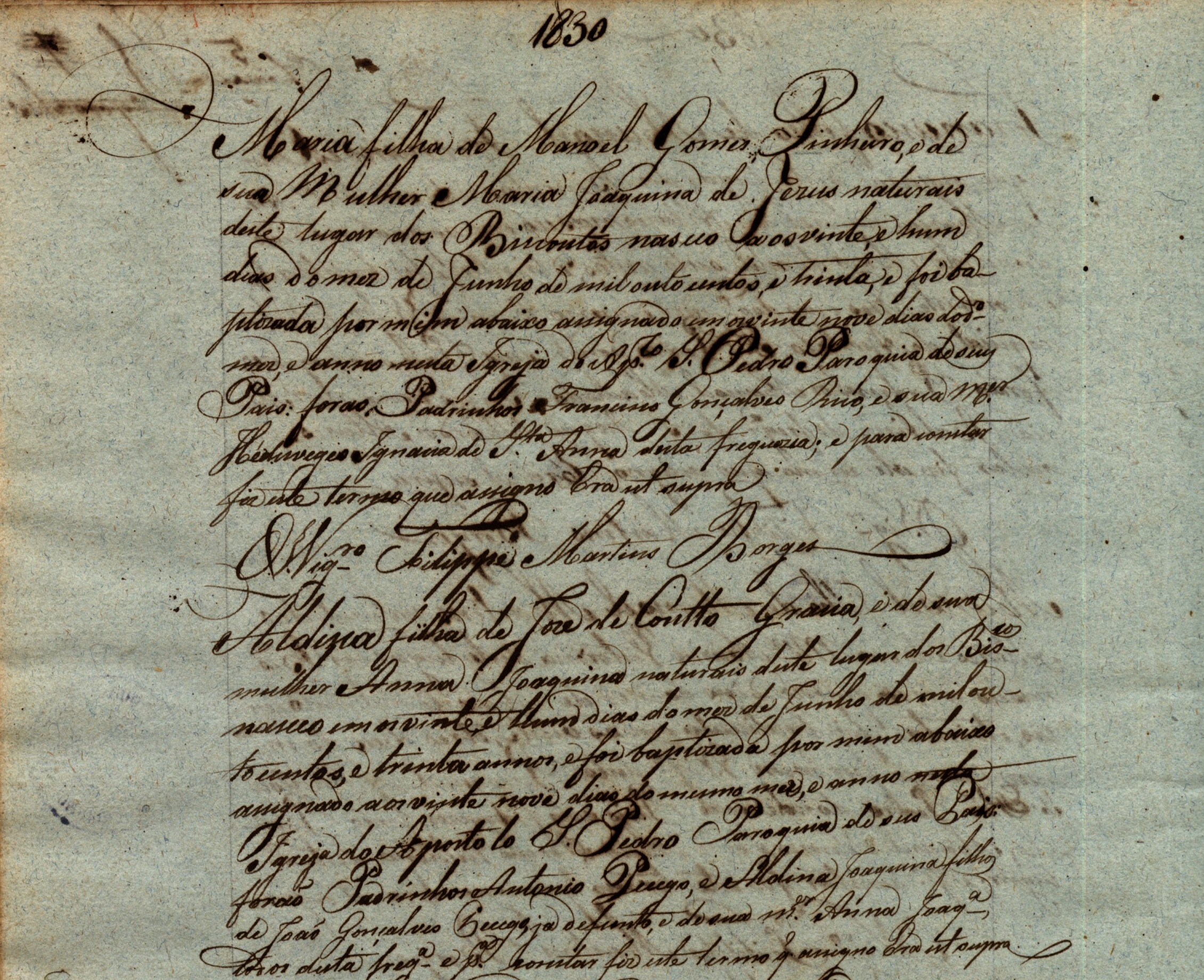
For earlier generations, Catholic parish registers are often the most valuable source of genealogical information in the Azores.
These records may include:
Baptism Records
A baptism record can often reveal:
- Child’s full name
- Date of birth
- Date of baptism
- Parents’ names
- Parents’ place of origin
- Grandparents’ names
- Godparents
- Place of residence
This can sometimes allow a family line to be extended another generation immediately.
Marriage Records
Marriage records are particularly useful because they may identify:
- Bride and groom
- Their ages
- Birthplaces
- Parents
- Previous marital status
- Residence
- Witnesses
In some cases, marriage records also contain information about deceased parents or earlier generations.
Death Records
Death records may include:
- Age
- Marital status
- Spouse’s name
- Parents
- Place of birth
- Residence
- Cause or circumstances of death
The amount of information varies considerably depending on the period and parish.
Use Portuguese Civil Registration
Civil registration became increasingly important in Portugal during the late nineteenth and early twentieth centuries.
Civil records can include:
- Births
- Marriages
- Deaths
For more recent generations, civil registration records may be more useful than parish records.
Access to recent records can be restricted, and some documents may need to be requested from the appropriate Portuguese Civil Registry Office.
Search Immigration Records
Many Azoreans emigrated overseas, particularly during the nineteenth and twentieth centuries.
Immigration records can help connect an immigrant with their parish of origin.
Useful sources include:
- Passenger lists
- Immigration records
- Naturalization documents
- Census records
- Marriage certificates
- Death certificates
- Military records
When searching American or Canadian records, remember that Portuguese names were sometimes changed, shortened, translated, or misspelled.
For example, a Portuguese first name may appear in a different form after immigration.
This is why it is important not to rely on a single spelling.
Be Careful With Portuguese Names
Portuguese naming traditions can make genealogical research challenging.
A person might appear under slightly different names in different documents.
Women may also appear with different combinations of surnames, and some individuals may use one surname in Portugal and another after emigrating.
Always compare:
- Parents
- Spouse
- Age
- Birthplace
- Residence
- Occupation
- Witnesses
These details can help confirm that two records refer to the same person.
Go Beyond Online Family Trees
Online family trees can be very useful as clues, but they should not be treated as proof by themselves.
Whenever possible, information should be verified using original historical records.
A reliable genealogical conclusion should be based on documentary evidence rather than simply copying information from another family tree.
What Happens When Parish Records End?
Eventually, parish registers may become incomplete or stop altogether.
At that point, research can continue using other historical sources, such as:
- Wills
- Property records
- Notarial records
- Court records
- Military documents
- Tax records
- Historical publications
The availability of these sources varies from island to island and from period to period.
Researching Azorean Ancestors From Abroad
If you live in the United States, Canada, or another country, you do not necessarily need to travel to the Azores to begin your research.
Many historical records are available digitally, while others can be consulted through Portuguese archives and local institutions.
However, older handwritten Portuguese records can be difficult to read, particularly when written in nineteenth-century or earlier script.
Understanding parish geography and Portuguese naming conventions is also essential.
Need Help With Your Azorean Family History?
At Fagundes Genealogy, we specialize in Portuguese and Azorean genealogical research.
We can help with:
- Parish record research
- Baptism, marriage, and death records
- Family tree research
- Portuguese record transcription
- English translation
- Research into Azorean family origins
If you are trying to discover where your ancestors came from or extend your family tree further into the past, you can contact us through our website.
Start your family history research today at Fagundes Genealogy.