How Portuguese Names Change After Immigration
One of the most common challenges in Portuguese genealogy is finding the same person under different names in different records.
After immigration, Portuguese names were often shortened, translated, reordered, misspelled, or adapted to the language of the new country.
For descendants researching family history in the United States, Canada, Brazil, or elsewhere, understanding these changes can make the difference between finding an ancestor and losing the trail completely.
Why Portuguese Names Can Change
There are many reasons a Portuguese name may appear differently after immigration.
These include:
- Language differences
- Clerical errors
- Simplification
- Translation
- Anglicization
- Different surname order
- Omitted surnames
- Informal nicknames
- Poor handwriting
- Misunderstood pronunciation
Sometimes the immigrant changed the name intentionally. In other cases, the change happened because a clerk, priest, census taker, or immigration officer wrote the name differently.
First Names May Be Translated
Portuguese first names were sometimes translated into English or another language.
For example:
- João may appear as John
- José may appear as Joseph
- António may appear as Anthony
- Manuel may remain Manuel or become Manny
- Francisco may appear as Frank
- Joaquim may appear as Joseph, Joaquin, or Jack
- Maria may remain Maria or appear as Mary
These changes are not always consistent.
The same person may appear under a Portuguese name in one record and an English version in another.
Surnames May Be Shortened or Simplified
Portuguese surnames can be long, especially when a person uses surnames from both parents.
After immigration, one or more surnames may be dropped.
For example, someone with a name such as:
José Manuel de Sousa Pereira
might later appear as:
Joseph Pereira
or:
Joseph Sousa
or even:
Joseph Perry
depending on how the surname was adapted.
This can make it difficult to recognize the same person across records.
Surname Order Can Change
Portuguese naming customs do not always follow the same pattern as English-speaking countries.
A person may use one surname in Portugal and another abroad.
In some records, the last surname may be treated as the family surname. In others, an earlier surname may be used instead.
This means researchers should not assume that the final surname in one record will always appear in every later document.
Spelling Variations Are Common
Even when the name itself did not change, spelling may vary.
Older records were handwritten, and spelling was not always standardized.
Examples might include:
- Sousa / Souza
- Teixeira / Texeira
- Rodrigues / Rodriguez
- Fagundes / Fagundez
- Medeiros / Mederos
These variations may reflect pronunciation, handwriting, or the language of the person creating the record.
Immigration Officials Did Not Always Change Names
A common family story is that an ancestor’s name was changed by immigration officials upon arrival.
In many cases, passenger lists had already been created before the immigrant reached the destination.
Name changes were more likely to occur later through everyday use, employment, naturalization, school, census records, or other official documents.
For genealogical research, it is important to verify the actual records rather than rely only on family tradition.
Women’s Names Can Be Especially Complicated
Portuguese women may appear under different surname combinations throughout their lives.
A woman may be recorded under:
- Her birth surnames
- Her husband’s surname
- A combination of both
- A shortened form
- A translated or adapted surname
This can make marriage and death records particularly important when confirming identity.
Nicknames Can Create Confusion
Portuguese families often used informal names or nicknames.
A person whose formal name was António might be known locally by a nickname that never appeared in parish records.
Likewise, someone who used a nickname in the United States or Canada may appear under a completely different name in Portuguese records.
Researchers should always ask relatives whether an ancestor was known by another name.
Compare More Than the Name
When names change, the best way to confirm identity is to compare other details.
Look for:
- Os nomes dos pais
- Spouse
- Date of birth
- Approximate age
- Local de nascimento
- Residence
- Occupation
- Children
- Siblings
- Testemunhas
- Godparents
Several matching details together are much stronger evidence than a name alone.
Naturalization Records Can Be Helpful
Naturalization documents may be especially useful because they sometimes show both an original name and a later version.
They may also include:
- Birthplace
- Date of birth
- Date of arrival
- Ship name
- Spouse
- Children
These details can help connect an immigrant in the new country to the correct person in Portuguese records.
Census Records May Show Several Name Variations
Census records are another important source.
A Portuguese immigrant may appear under different spellings from one census to the next.
This can happen because a different census taker recorded the name each time.
Researchers should therefore search using multiple spelling variations.
Search Creatively
When searching databases, do not rely on only one spelling.
Try:
- First name variations
- English translations
- Different surname orders
- Shortened surnames
- Phonetic spellings
- Wildcard searches
- Searching by spouse or child
Sometimes searching for another family member is easier than searching directly for the ancestor.
Original Portuguese Records Are Essential
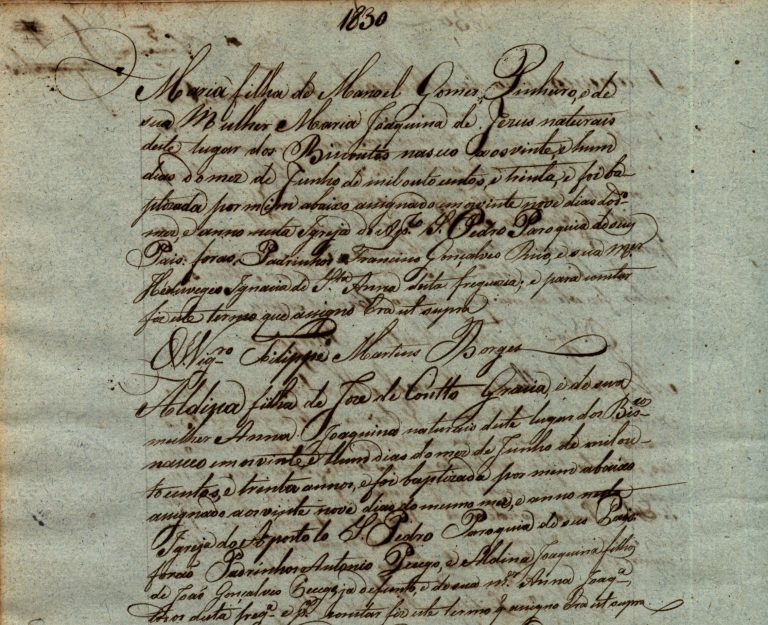
Once you identify a likely immigrant, original Portuguese records can help confirm the connection.
A baptism or birth record may identify:
- Parents
- Grandparents
- Exact parish
- Date of birth
- Residence
This information can be compared with immigration, naturalization, marriage, and death records abroad.
Family Stories Are Useful Clues, but Not Proof
Family stories can preserve valuable information, but details may change over generations.
A surname may be remembered differently, or a first name may be translated in family memory.
Use family stories as clues, then verify the information with original records whenever possible.
Need Help Identifying a Portuguese Ancestor?
At Fagundes Genealogy, we help connect immigrant records with original Portuguese and Azorean sources.
Our research can include:
- Name variation analysis
- Portuguese parish records
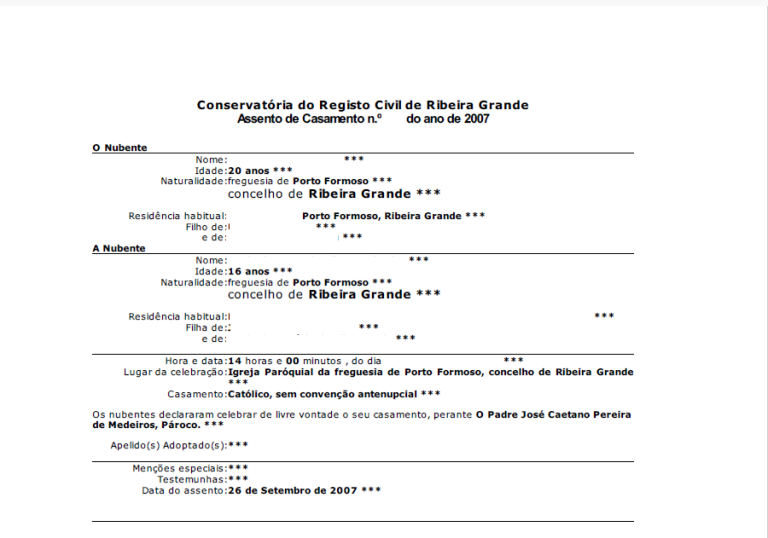
- Civil registration
- Immigration records
- Family reconstruction
- Portuguese transcription
- English translation
- Identifying ancestral parishes
If your ancestor appears under several different names, careful comparison of records can often reveal the original identity.