Portuguese Civil Registration: A Beginner’s Guide
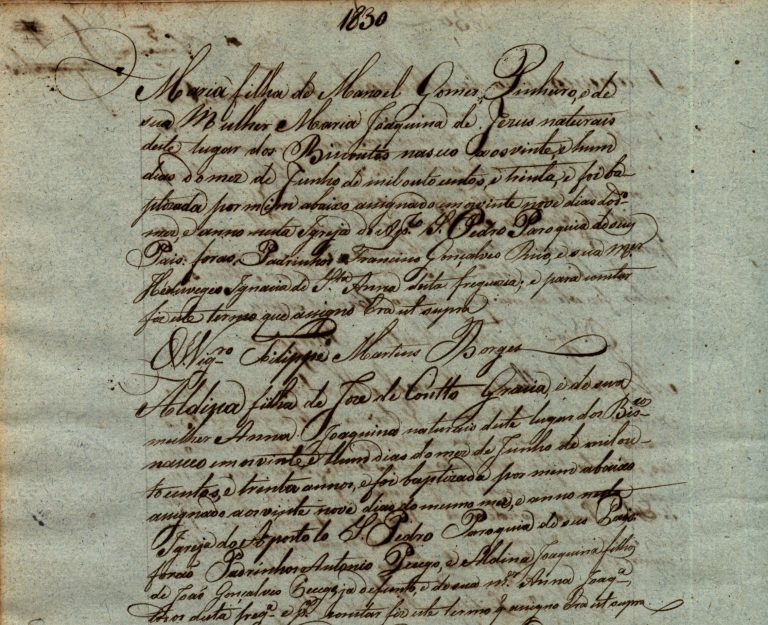
Portuguese civil registration records are an essential source for researching family history in Portugal and the Azores.
While parish records are especially important for earlier generations, civil registration becomes increasingly valuable for more recent ancestors.
These records can provide information about births, marriages, deaths, parents, spouses, occupations, residences, and places of origin.
What Is Civil Registration?
Civil registration is the official recording of vital events by the state.
In Portugal, these records include:
- Births
- Marriages
- Deaths
They are usually created by a Civil Registry Office rather than by a parish priest.
For genealogical research, civil records are especially useful when parish registers are unavailable, incomplete, or too recent to be held in historical archives.
Birth Records
Portuguese birth records may contain:
- Full name of the child
- Date and place of birth
- Names of the parents
- Parents’ ages or occupations
- Parents’ places of birth
- Place of residence
- Names of grandparents
- Declaration details
Depending on the period, some records may include additional notes added later.
These marginal notes can sometimes record a marriage, divorce, or death.
Marriage Records
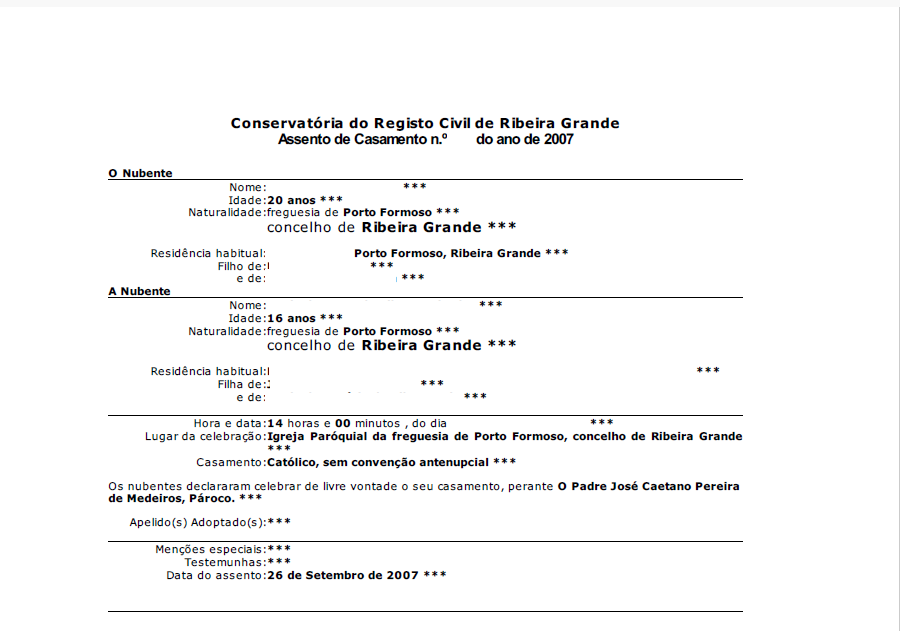
Civil marriage records can be extremely valuable for genealogy.
They may include:
- Full names of the bride and groom
- Ages
- Dates and places of birth
- Places of residence
- Occupations
- Names of parents
- Whether parents were living or deceased
- Previous marital status
- Witnesses
Marriage records can often help researchers connect two family lines and identify the correct places of origin.
Death Records
Portuguese death records may provide:
- Name of the deceased
- Date and place of death
- Age
- Marital status
- Name of spouse
- Parents’ names
- Place of birth
- Residence
- Occupation
- Burial information
As with parish records, the amount of information varies depending on the date, location, and person who reported the death.
Why Civil Registration Is Important
Civil registration is especially important for twentieth-century research.
In many cases, researchers begin with a recent civil record and then work backward into older parish registers.
A birth record might identify parents. A marriage record can provide the parents of both spouses. A death record may confirm a birthplace or spouse.
Together, these records can help reconstruct a family across several generations.
Civil Registration and the Azores
The Azores follow the Portuguese civil registration system.
Records may be associated with a specific municipality and Civil Registry Office.
Knowing the correct island, municipality, and parish can make a major difference when searching for a record.
For example, knowing that someone was born on São Miguel is helpful, but knowing the exact parish and municipality is much better.
Recent Records May Have Access Restrictions
One important difference between historical parish registers and modern civil registration is access.
Older civil records may be available in district or regional archives, while more recent records may remain with Civil Registry Offices.
Access to recent records can be restricted because of privacy rules.
In some cases, a certificate or official copy must be requested directly from the appropriate registry office.
Marginal Notes Can Be Very Valuable
Portuguese civil records often contain marginal annotations.
These notes may have been added years after the original record.
They can include information such as:
- Marriage
- Divorce
- Death
- Name changes
- Corrections
A birth record created many years earlier may therefore contain clues about later events in the person’s life.
Researchers should always check the margins and later annotations carefully.
Names May Appear Differently
As with parish records, names in civil registration can vary.
A person may appear with:
- Additional surnames
- Omitted surnames
- Different surname order
- Spelling variations
This is particularly important when comparing Portuguese records with documents created after emigration.
Always compare other identifying information such as parents, spouse, date of birth, occupation, and residence.
Civil Records and Immigration Research
For descendants of Portuguese immigrants, civil registration can help connect records from another country back to Portugal.
For example, an American death certificate may identify a Portuguese birthplace, while a Portuguese birth record may confirm the parents and exact parish.
Using both sets of records together can be much more reliable than relying on only one source.
What If You Do Not Know the Exact Parish?
If you only know that your ancestor came from Portugal or the Azores, begin with records from the country where they settled.
Useful records may include:
- Naturalization records
- Passenger lists
- Marriage certificates
- Death certificates
- Census records
- Military records
- Church records
Look for references to an island, municipality, parish, or Portuguese place name.
Once the location is identified, Portuguese civil and parish records become much easier to search.
Verify Information Across Multiple Records
One document should rarely be used in isolation.
A strong genealogical conclusion usually comes from comparing several records.
For example:
A birth record may identify parents.
A marriage record may confirm those parents and identify a birthplace.
A death record may confirm the spouse and approximate age.
When these details agree, the identification becomes much stronger.
Need Help Finding Portuguese Civil Records?
At Fagundes Genealogy, we can help research Portuguese and Azorean civil registration records, including:
- Birth records
- Marriage records
- Death records
- Identifying ancestral parishes
- Portuguese transcription
- English translation
- Connecting immigration records with Portuguese sources
- Extending family trees through original documentation
If you are researching ancestors from Portugal or the Azores, civil registration records may provide the evidence needed to continue your family history.