How to Read Portuguese Baptism Records
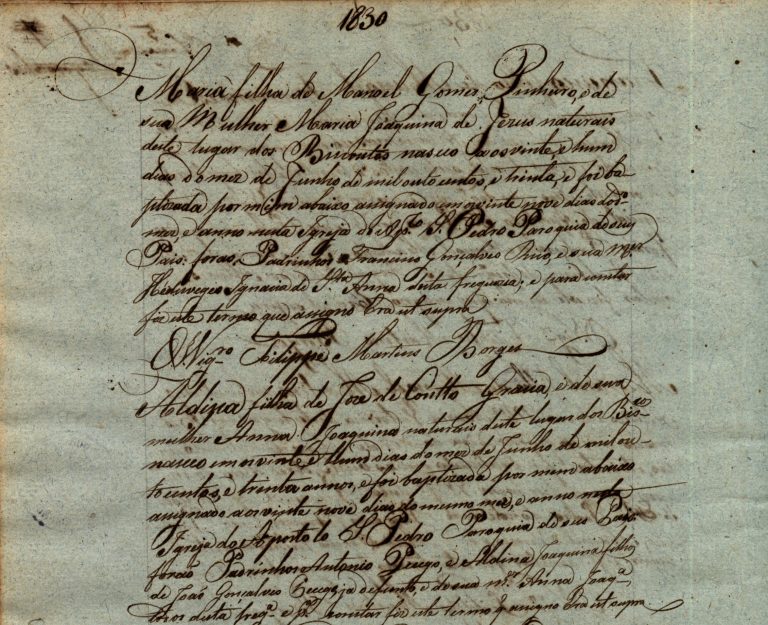
Portuguese baptism records are among the most valuable sources for researching families in Portugal and the Azores. Long before civil registration became the principal system for recording births, marriages, and deaths, Catholic parish priests maintained registers documenting baptisms, marriages, and burials.
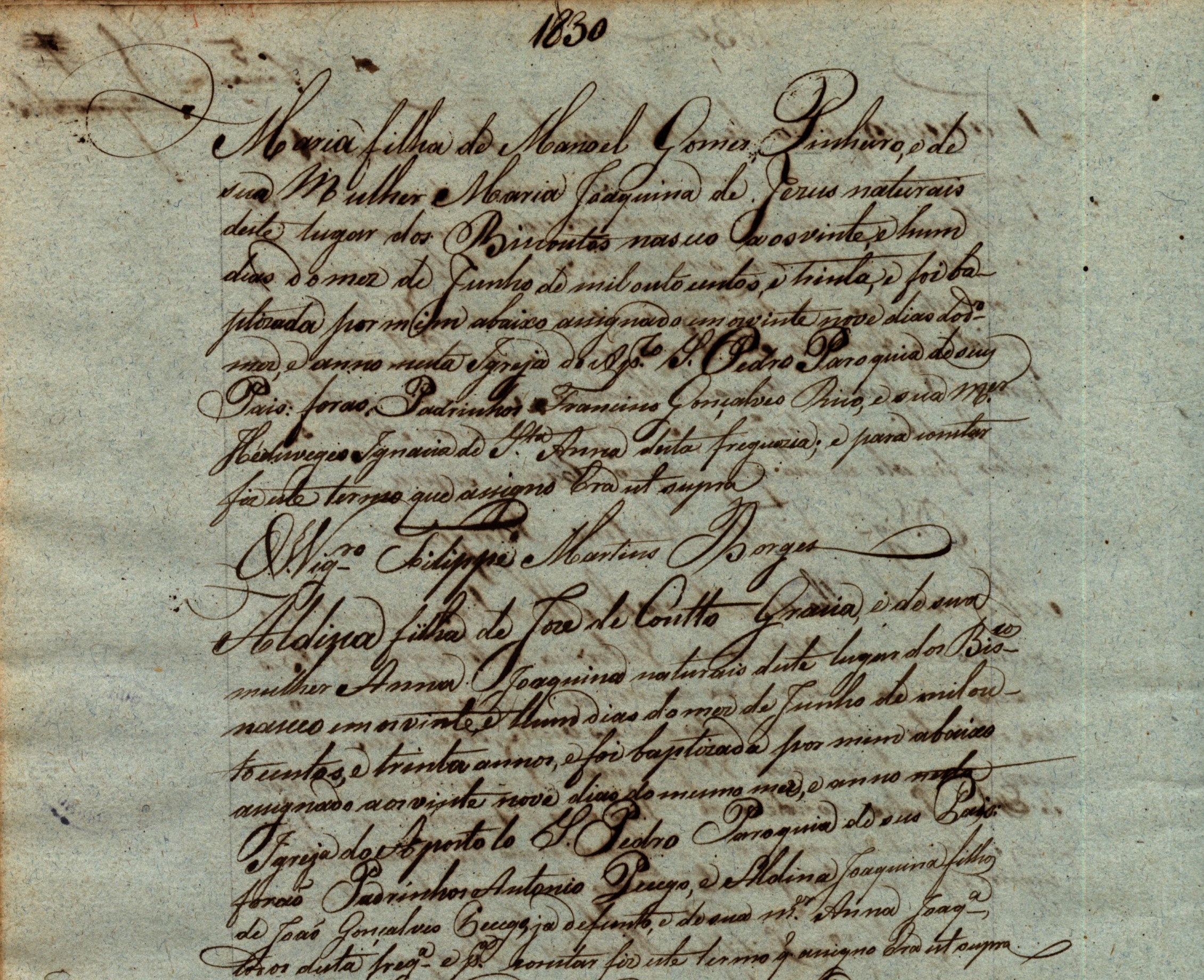
For genealogists, a single baptism record can sometimes reveal information about three generations of a family. Older records can be challenging because they were handwritten in Portuguese and often use unfamiliar vocabulary, abbreviations, and historical handwriting styles.
Why Baptism Records Are So Important
Children were normally baptized shortly after birth, so baptism entries often provide one of the best ways to establish an exact or approximate birth date before modern civil registration.
- Child’s name
- Date and time of birth
- Date of baptism
- Parish and place of birth
- Parents’ names
- Parents’ places of origin and residence
- Occupations
- Paternal and maternal grandparents
- Godparents
- Later marginal notes
Recognizing the Opening Formula
Many nineteenth-century records begin with a formula such as “Aos vinte dias do mês de maio…”, meaning “On the twentieth day of the month of May…”. The priest usually identifies the parish church and then records that the child was baptized.
Finding the Child’s Name and Birth Date
The child’s given name normally appears near the beginning of the entry. In older records the baptism entry may contain only a given name, even when the person later used several surnames. The record may also state the exact date, and sometimes the hour, of birth.
Identifying the Parents
Look for expressions such as filho legítimo de or filha legítima de. The father’s name usually appears first, followed by the mother’s name. Records may also include occupations, birthplaces, where the parents married, and where they were living.
Grandparents and Earlier Generations
Many Portuguese baptism records identify all four grandparents. The expressions neto paterno de and neto materno de identify the paternal and maternal grandparents and can immediately extend a family tree by another generation.
Godparents as Family Clues
Godparents should never be ignored. They were often relatives or close associates of the family. Repeated appearances of the same godparents in several baptism records can help identify relationships between households.
Natural, Parishioner, and Resident
These terms can describe different facts. A person could be native of one parish, a parishioner of another, and resident in a third. This distinction is essential when following families who moved between neighboring parishes or islands.
Marginal Notes
Later records often contain notes in the margins recording a marriage, death, legitimation, or another ecclesiastical event. Always inspect the entire page.
Portuguese Names Can Change
Children did not always use exactly the same surnames as their parents. A person might use a paternal surname, maternal surname, combination of surnames, religious name, or a different form after immigration. Dates, parents, grandparents, parish, occupation, and other evidence should be considered together.
Baptism Records in the Azores
The Azores preserve a rich collection of parish registers, although surviving dates vary from parish to parish. Identifying the correct island, municipality, and parish is often the key to extending an Azorean family line.
Portuguese baptism records: a careful research checklist
When you find a baptism entry, first note its date and the exact parish. Distinguish the child’s birth date from the baptism date; they are often close but need not be identical. Write down the names of the parents and both pairs of grandparents exactly as recorded, including any differences in surname spelling.
A baptism entry is not always enough to prove that you have found the correct person. Compare other records from the same household, including Portuguese marriage records and the baptisms of siblings. The wider guide to Portuguese parish records explains how different parish books support one another.
- Keep a transcription separate from your interpretation.
- Record godparents, witnesses, occupations and residence where they appear.
- Save the archive, parish, book, folio or page and image reference.
- When the locality is ambiguous, check how to identify the correct Azorean parish before extending the family tree.
Need Help Reading a Portuguese Record?
Fagundes Genealogy specializes in Portuguese and Azorean genealogical research, including locating original records, transcription, translation, and family reconstruction.